
«Cross-Platform Cryptocurrency Trading: Unleashing the Power of Supply and Demand in a Decentralized Ecosystem with Metadata»
In the fast-paced world of cryptocurrency trading, several key factors now play a crucial role in defining market dynamics and influencing price movements. Two essential components that are often overlooked but equally important are cross-platform trading and metadata.
Cross-Platform Trading: A Game Changer for Cryptocurrency Markets
Cross-platform trading refers to the ability for users to buy, sell, and exchange cryptocurrencies across multiple platforms without the need for special software or account management. This feature has revolutionized the cryptocurrency market by providing a more convenient, accessible, and user-friendly experience for traders of all backgrounds.
The benefits of cross-platform trading are numerous:
- Increased Accessibility: With cross-platform trading, users can trade cryptocurrencies on their smartphones, desktops, laptops, and even smartwatches, making it easier to stay informed and participate in the market.
- Reduced Barriers: Traders no longer need to worry about creating an account or installing special software on multiple devices. Cross-platform trading removes these barriers, allowing users to trade more efficiently.
- Enhanced User Experience: Cross-platform trading offers a seamless user experience, with features such as real-time price updates, easy navigation, and robust security measures.
Supply and Demand: The Heart of Any Market
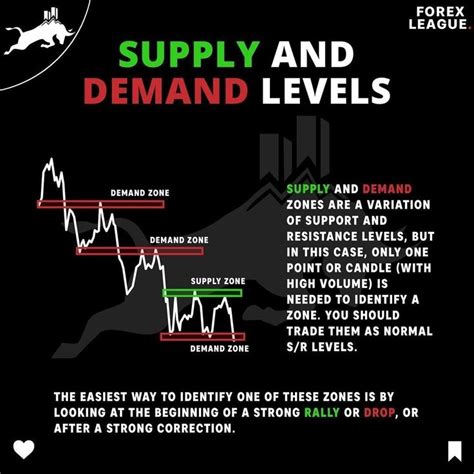
Supply and demand are the fundamental drivers of any market, including the cryptocurrency market. Supply refers to the total amount of a particular coin in circulation, while demand refers to the number of investors or traders willing to buy it.
The interaction between supply and demand determines the price dynamics of cryptocurrencies. When demand for a particular coin is high, its price tends to increase as more buyers enter the market. Conversely, when demand decreases or supply exceeds demand, prices tend to decline or stabilize.
Metadata: A Key Element of Cryptocurrency Market Analysis
In recent years, the use of metadata has become increasingly popular among traders and researchers looking to better understand the cryptocurrency market. Metadata refers to the non-structural data associated with a particular asset or token, such as its name, symbol, classification, and other attributes.
Metadata is often used in a variety of ways:
- Market Analysis: By analyzing metadata, traders can gain a deeper understanding of the underlying factors that drive market dynamics.
- Sentiment Analysis: Metadata can be used to gauge investor sentiment toward specific cryptocurrencies or asset classes.
- Prediction Models: By combining metadata with other data sources, researchers can create prediction models that help identify potential market trends and patterns.
Conclusion
Cross-platform cryptocurrency trading has become a crucial part of the cryptocurrency ecosystem, providing many benefits to traders and investors. However, the interaction between supply and demand remains a critical aspect of any market. Metadata provides valuable insights into cryptocurrency market dynamics, allowing traders and researchers to make informed decisions.
As the cryptocurrency space continues to evolve, it is essential for individuals and organizations to stay up to date with the latest developments in cross-platform trading and metadata analysis. By doing so, we can unlock new opportunities for growth, innovation, and success in this exciting and rapidly evolving field.