
Importance of wallet security in cryptomena: Understanding the difference between hot and cold wallets
Cryptocurrencies have caused a revolution in the way we consider money, allowing fast, safe and decentralized transactions. However, there is great responsibility with great power – and wallet safety is a critical aspect of maintaining the integrity and values of your digital assets. In this article, we dive into the world of cryptocurrencies, examining the differences between warm and cold wallets, as well as the importance of understanding the safety of the wallet.
What are purses cryptocurrencies?
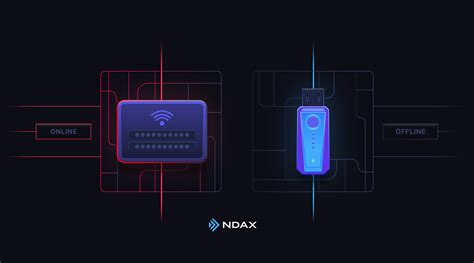
Cryptocurrency wallet is a software program or service that allows you to store, manage and receive your digital assets. It is basically a digital safe where you can store and organize all your cryptocurrencies including bitcoins, ethereum, litecoin and others. Wallets are delivered in different types, each of which has its own unique features and purposes.
Hot wallets
A hot wallet is a type of cryptomen wallet that is connected to the Internet and allows easy access to your digital assets. Hot wallets are usually based on software and use a specific replacement or platform as a backfall. They offer instantaneous transfers between accounts, making it ideal for trading and selling cryptocurrencies.
Some popular examples of hot wallets include:
- Ledger Live (software)
- Myetherwallet (software)
- Metamask (browser -based)
Hot wallets provide several benefits including:
- Comfort: Instant access to your digital assets
- Accessibility: can be used on multiple devices
- Security: Protected by robust encryption and 2-factor verification
However, hot wallets also come with some disadvantages:
- Reveals your wallet to the risks of the Internet such as hacker and malicious attacks
- May require frequent updates to stay safe
- Requires technical knowledge for wallet management and maintenance
Cold wallets
A cool wallet is a type of cryptomen wallet that stores its offline assets, usually in physical equipment or external storage. Cold wallets are usually based on hardware and use a specific replacement or platform as a backwond.
Some popular examples of cold wallets include:
- Ledger Nano X (hardware -based)
- Safe Model T (hardware -based)
- Hardware Key Yubikey (hardware -based)
Cold wallets offer several benefits including:
- Reduced risk: Protected from Internet risks
- Lower maintenance requirements
- Improved safety
However, cool wallets come up with some challenges:
- Requires manual updates and backups for secured storage
- May require more technical knowledge to manage and maintain your wallet
- May be less convenient than hot wallets
Comparison of warm and cold wallets
When choosing between a hot wallet and a cool wallet, it is necessary to consider your needs and priorities.
Hot wallets are ideal for:
- Beginners: Quick access to digital asset with instant transfers
- Trading: Easy to manage multiple accounts
- Daily transactions: Convenient access to the resources on request
Cool wallets are ideal for:
- Individuals with safety: reduced risk from Internet threats
- Institutional investors: greater control of assignment of assets and portfolio diversification
- Long -term storage: offline storage for long -term preservation of assets
Conclusion
Wallet safety is a critical aspect of cryptocurrency investment and hot and cold wallets play an important role in protecting your digital assets. By understanding the differences between these two types of wallet, you can make informed decisions about which one to use for your specific needs.
Hot wallets offer comfort, accessibility and immediate access to your digital assets, making it ideal for trading and everyday transactions.