
The puzzle of quick response RPC calls: a look at the performance of Bitcoin Core
As the second largest market capitalization cryptocurrency, Bitcoin has grown in popularity over the years. One of its main features is its decentralized and failure -tolerant architecture, which allows you to continue operating, even if some nodes or customers fail. However, this same architecture also means that it is based on external services, such as the RPC Blockchain.com server, to provide a stable interface to interact with blockchain.
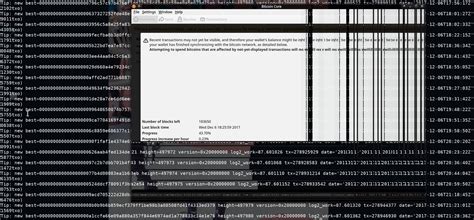
A problem that has tormented many Bitcoin Core users is their inability to respond quickly sufficiently to other knots or customers when new blocks are generated quickly. This can lead to frustrating experiments, including failures and inactivity time as users await the knot to track the latest data from the block.
Why does this happen?
So why does this happen? The question is the way Bitcoin Core deals with RPC requests and its dependence on external services, such as the RPC Blockchain.com server. When new blocks are generated, the blockchain is updated, but is not immediately reflected in the memory of the local knot. This means that the knot needs to make the storage block data again and make an RPC request to recover the latest information.
If the external service is slow to respond or have a high latency, it may take some time for the node to follow the latest data in the block. During this period, the knot may be failure or freezing due to lack of updates. Also, if several knots are trying to access the same RPC service simultaneously, it may lead to delays in response to RPC requests.
Can Bitcoin Core improve your performance?
Although there is no direct solution to this problem, some changes have been made over time to improve performance:
- Updated block propagation algorithms: The updated block propagation algorithm has improved the speed of block update locally in each node.
- RPC Requests Optimized: Changes in the way RPC requests are treated and optimized can help reduce latency.
However, these improvements may not completely eliminate the problem, especially if users depend strongly on external services for their needs.
Conclusion
Bitcoin core performance when it comes to quickly responding to other nodes or customers’ RPC calls when new blocks are rapidly generated is a complex problem. Although some changes have been made over time to improve their performance, more work can be done to optimize this process and reduce latency. As Bitcoin’s popularity continues to grow, it is essential that users are aware of these limitations and agree.
To minimize inactivity time and ensure uninterrupted access to blockchain, consider using alternative methods such as:
* Using a separate node: If you have several knots, consider using one that does not depend on the external service. That way you can still interact with Blockchain without trusting him.
* Configuring your network: You can configure your network to use a different RPC server or adjust latency settings to reduce the impact of external service delays.
* Using a node with faster RPC servers:
Some we offer RPC servers faster than others, which can help speed up the process.
By being aware of these limitations and taking action to attenicate them, you can enjoy a more perfect experience, interacting with Bitcoin Blockchain.